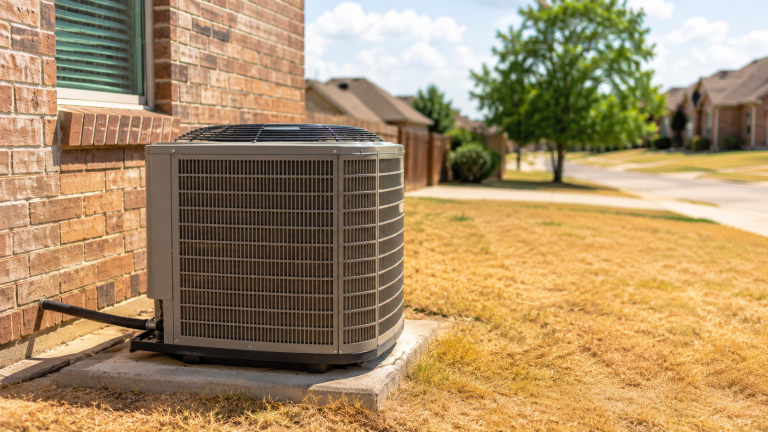
There’s a significant impact on your business’s comfort and efficiency when selecting the right commercial HVAC system. An inappropriate choice can lead to excess energy costs and poor indoor air quality, potentially harming your productivity and employee health. You need to assess your specific needs, focusing on size, efficiency, and maintenance requirements to ensure optimal performance. For comprehensive guidance, check out How to Choose the Best Commercial HVAC System for Your Business.
Key Takeaways:
- Assess your business’s specific heating and cooling needs based on building size and usage.
- Consider energy efficiency ratings to reduce operating costs and environmental impact.
- Evaluate system compatibility with existing infrastructure and future scalability options.
Understanding HVAC Systems
Familiarity with HVAC systems is important for optimizing your business environment. These systems regulate heating, ventilation, and air conditioning to ensure comfort and air quality. A proper understanding of how HVAC works can lead to more informed decisions regarding installation, maintenance, and energy efficiency, ultimately enhancing your operational success.
Components of Commercial HVAC
The main components of commercial HVAC systems include chillers, cooling towers, furnaces, ductwork, and thermostats. Each component plays a specific role in regulating temperature and air flow throughout your building. Recognizing the purpose and function of these elements is vital for effective system management.
Types of HVAC Systems
Various types of HVAC systems exist to cater to different needs. These include split systems, packaged systems, ductless systems, geothermal systems, and variable refrigerant flow (VRF) systems. Each offers distinct advantages, so assessing the specific requirements of your business will enable you to make the best selection.
| Component | Description |
| Chillers | Remove heat from fluid to cool air. |
| Furnaces | Generate heat to warm air. |
| Ductwork | Distribute air throughout buildings. |
| Thermostats | Control temperature settings. |
| Cooling Towers | Release excess heat from chillers. |
Each HVAC system type offers unique configurations designed to maximize efficiency and comfort. For instance, split systems have separate indoor and outdoor units, while packaged systems house all components in one unit, saving space. Ductless systems are ideal for buildings without ductwork, and geothermal systems leverage the earth’s temperature for heating and cooling. Utilizing variable refrigerant flow (VRF) technology allows for individual temperature control across different zones. The
| Type | Features |
| Split Systems | Energy efficient with separate units. |
| Packaged Systems | Space-saving option with all-in-one units. |
| Ductless Systems | Great for retrofitting older buildings. |
| Geothermal Systems | Eco-friendly and cost-effective over time. |
| VRF Systems | Advanced technology for efficient zoning. |
Factors to Consider When Choosing an HVAC System
Selecting the right HVAC system for your business involves several key considerations that can significantly impact efficiency and comfort. Key factors include business size and layout, energy efficiency ratings, and cost and budget constraints. Assessing these elements ensures that your HVAC system will effectively meet your specific needs and operational goals. Any oversight in these areas can lead to higher operational expenses or inadequate comfort levels for your employees and customers.
Business Size and Layout
Your business size and layout play a pivotal role in determining the type of HVAC system needed. Larger spaces may require multiple units or zoning capabilities to maintain consistent temperatures, while smaller areas might be efficiently served by a single system. Additionally, the building’s design, including ceiling height and the number of interior walls, affects airflow and temperature management. Choose a system that adapts to your unique spatial requirements for optimal comfort and energy use.
Energy Efficiency Ratings
Energy efficiency ratings, such as SEER and EER, reflect how effectively an HVAC system uses energy. Higher ratings indicate better efficiency, leading to significant savings on utility bills. Opting for systems with high energy efficiency not only minimizes your operational costs but also contributes to a smaller carbon footprint. Any investment in an efficient system often pays off over time through reduced energy consumption and maintenance costs.
Energy efficiency ratings are crucial indicators of system performance. For example, a unit with a SEER rating of 16 or higher is considered highly efficient and can save you up to 50% on cooling costs compared to standard units. Furthermore, selecting an Energy Star certified system provides assurance of high efficiency and reliability. Conducting a thorough analysis of these ratings before purchasing ensures that you select an HVAC solution that aligns with both your financial and environmental goals.
Cost and Budget Constraints
Your overall budget plays a significant role in choosing an HVAC system. Installation costs can vary widely based on system type, brand, and the specific requirements of your space. Balancing initial investment with long-term efficiency and repair costs is necessary. Understanding your budget constraints will help narrow down options and lead to a system that aligns with your financial capabilities without sacrificing comfort.
Cost considerations extend beyond initial installation. Regular maintenance and potential repairs should also factor into your budget; some systems require more frequent service than others. Additionally, higher upfront costs for energy-efficient models may seem daunting but are often offset by lower utility bills over time. Evaluating total cost of ownership provides a clearer picture for informed decision-making when selecting your HVAC system.
Importance of Professional Installation
Professional installation of your HVAC system ensures optimal performance and longevity. A skilled technician will assess your space, configure the system appropriately, and meticulously execute the installation. This attention to detail prevents common issues, such as improper airflow and energy inefficiency, which can lead to costly repairs or replacements down the line.
Working with Qualified Contractors
Engaging with qualified contractors guarantees that your HVAC system is installed to the highest standards. Look for contractors with relevant certifications, experience in commercial installations, and positive client reviews. Their expertise not only enhances system reliability but also minimizes potential disruptions to your business operations.
Ensuring Compliance with Local Codes
Your HVAC installation must adhere to local building codes and regulations to avoid penalties or safety hazards. Local codes dictate specific requirements for equipment, ductwork, and ventilation, which vary by jurisdiction. Compliance ensures that your system operates safely and efficiently, protecting your business and employees.
Strict adherence to local compliance not only mitigates legal risks but can also enhance your system’s efficiency. For instance, certain areas may require specific energy-efficient models to meet environmental standards. By consulting local regulations during installation, you ensure that your HVAC system not only functions optimally but also contributes to a sustainable operational footprint, potentially qualifying for rebates and incentives.
Maintenance and Support Options
Investing in a robust maintenance and support strategy for your commercial HVAC system is vital for ensuring optimal performance and longevity. Your options range from routine inspections and emergency services to comprehensive support agreements that cover repairs and replacements. Choosing the right level of service helps minimize downtime, maintain energy efficiency, and prolong the lifespan of your equipment.
Routine Maintenance Strategies
Implementing routine maintenance strategies can prevent costly breakdowns and enhance the efficiency of your HVAC system. Regular tasks should include filter replacements, cleaning coils, and inspecting ductwork and mechanical components. Scheduling bi-annual inspections with a certified technician ensures that your system operates smoothly, reducing energy costs and improving indoor air quality.
Warranty and Service Agreements
Investigating warranty and service agreements is vital when selecting your HVAC system. These agreements provide you with peace of mind by covering repairs and part replacements, often at a fraction of the cost. Understanding the terms can significantly influence your budget and maintenance planning.
Warranty and service agreements typically vary by manufacturer but often cover parts for a specified period, usually ranging from 1 to 10 years. Some comprehensive plans include labor costs and priority service, ensuring timely repairs when you need them most. Read the fine print to confirm what is included, especially for critical components. Having an experienced technician available under these agreements can lead to faster resolution of issues and minimizes the potential for unexpected expenses, allowing you to focus on your business rather than HVAC worries.
Common Mistakes to Avoid
Avoiding common pitfalls can save you from costly missteps when selecting a commercial HVAC system. Many businesses fail to recognize the importance of accurate calculations and long-term planning, leading to overspending or insufficient cooling and heating. You need to ensure your choice aligns with both your immediate needs and future growth to optimize efficiency and performance.
Overestimating or Underestimating Needs
Making inaccurate estimates of your heating and cooling needs can lead to severe inefficiencies. Oversized systems can cause increased energy consumption and shortened lifespan, while undersized systems struggle to maintain comfort, resulting in higher stress on equipment and unhappy occupants.
Ignoring Long-Term Costs
Focusing solely on the initial investment can lead to substantial long-term expenses. HVAC systems require ongoing maintenance, energy costs, and possible repairs, which can add up significantly over time.
Investigating energy efficiency ratings and potential maintenance requirements will provide a clearer picture of overall expenses. For instance, systems with a higher SEER (Seasonal Energy Efficiency Ratio) rating typically cost more upfront but deliver savings of upwards of 30% annually on energy bills. Additionally, regular maintenance contracts can prevent costly emergency repairs, allowing you to budget more effectively. Balancing your upfront cost with an awareness of lifetime operating expenses can dramatically influence your bottom line.
Case Studies
Analyzing real-world examples of HVAC system implementations provides invaluable insights that can guide your decision-making process. Detailed comparisons of system performance and energy efficiency can highlight what works best in various business environments.
- Café A: Reduced energy bills by 30% after upgrading to a high-efficiency HVAC system, resulting in annual savings of $3,600.
- Office Building B: Improved indoor air quality leading to a 25% increase in employee productivity.
- Warehouse C: Cut maintenance costs by 40% through the installation of a predictive maintenance system.
- Retail Store D: Enhanced customer comfort, resulting in a 15% increase in sales after installing a zoned HVAC system.
Successful HVAC Installations
Case studies illustrate how custom-tailored HVAC solutions can elevate your business operations. For instance, a manufacturing facility achieved a 35% improvement in energy efficiency through the installation of a variable refrigerant flow system, paving the way for substantial cost savings and enhanced worker comfort.
Lessons Learned from Failures
Analyzed failures shed light on common pitfalls that can be avoided. A hospitality client experienced temperature inconsistencies and increased energy consumption due to selecting an undersized system, ultimately costing them $5,000 in excess utility charges.
Such lessons emphasize the importance of accurate load calculations and professional evaluations before making your HVAC investment. In the case of a retail space, the underperformance stemmed from a lack of zoning, leading to discomfort in different store areas. Additionally, frequent breakdowns and repairs resulted from improper system sizing and outdated technology, which could have been mitigated with adequate research and planning. Addressing these failures upfront can guide you in making informed decisions, ensuring that your HVAC system meets your specific needs efficiently and reliably.
To wrap up
Selecting the right commercial HVAC system is one of the most important decisions for any business. The right choice directly impacts comfort, indoor air quality, and energy efficiency—while the wrong one can lead to costly utility bills and downtime. In this guide, Boost Air Heating and Cooling walks you through how to evaluate system types, energy ratings, and installation requirements to find the best fit for your business. Our certified commercial HVAC in Grand Prairie, TX specialists help you design, install, and maintain systems built for long-term reliability and performance. Trust Boost Air Heating and Cooling to keep your facility efficient, compliant, and comfortable year-round.
FAQ
Q: What factors should I consider when selecting a commercial HVAC system for my business?
A: Important factors include the size of your facility, local climate conditions, energy efficiency ratings, the specific heating and cooling needs of your space, and your budget. It’s crucial to assess the specific requirements of your business to choose an optimal system.
Q: How can energy efficiency impact the choice of HVAC system?
A: Energy efficiency significantly affects operational costs and environmental impact. High-efficiency systems can reduce energy consumption, leading to lower utility bills and a smaller carbon footprint. Look for systems with high SEER (Seasonal Energy Efficiency Ratio) and EER (Energy Efficiency Ratio) ratings.
Q: Should I consider maintenance and support when choosing an HVAC system?
A: Yes, ongoing maintenance and support are crucial. Some systems may require more frequent servicing and specialized parts. Ensure you understand the manufacturer’s warranty, the availability of replacement parts, and whether local service technicians are familiar with the system to ensure reliable operation.