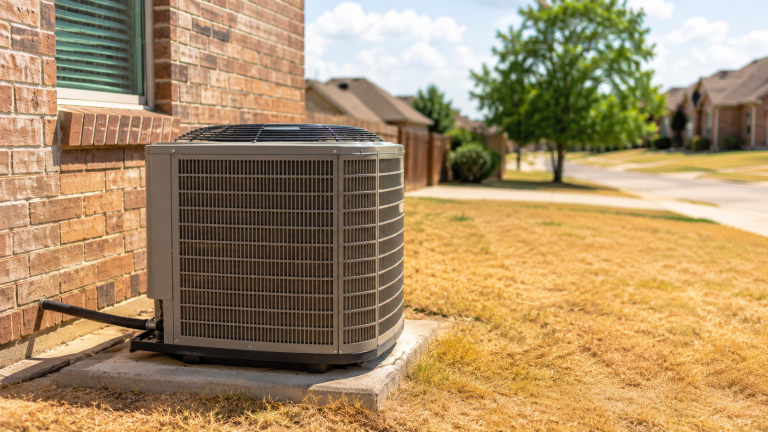
Most businesses in Grand Prairie, TX underestimate the impact of neglected HVAC systems, which can lead to expensive downtime and disruptions. By implementing a robust maintenance strategy, you can significantly enhance the reliability of your system, ensuring optimal performance and longevity. Regular inspections and timely repairs not only keep your environment comfortable but also prevent sudden breakdowns that can cost you both time and money. Understanding the importance of routine maintenance will empower you to take proactive steps that safeguard your investment and enhance your operational efficiency.
Key Takeaways:
- Implement a regular maintenance schedule to prevent unexpected failures.
- Conduct routine inspections and cleanings of HVAC systems to ensure optimal performance.
- Invest in professional services for advanced diagnostics and repairs to extend equipment lifespan.
Understanding Commercial HVAC Systems
Commercial HVAC systems play a vital role in regulating indoor climates and ensuring the comfort of building occupants. These systems include heating, ventilation, and air conditioning components designed to work together efficiently. By understanding the unique characteristics of your HVAC system, you can make more informed maintenance decisions that minimize downtime and enhance overall performance.
Key Components of HVAC Systems
Your HVAC system comprises several key components, including air handlers, condensers, ductwork, and thermostats. Each component has a specific function, from cooling the air to distributing it throughout your building. Proper interaction between these components is imperative for maintaining consistent temperature and air quality, impacting both energy efficiency and occupant comfort.
Common Issues Leading to Downtime
Downtime often arises from issues such as clogged filters, malfunctioning thermostats, and leaking ductwork. These common problems can disrupt your HVAC system’s performance, leading to inefficiencies and increased operating costs. Understanding these issues allows you to proactively address them before they escalate into more significant failures.
Clogged filters can restrict airflow and force your system to work harder, increasing wear on components and leading to potential breakdowns. Malfunctioning thermostats may cause your system to operate incorrectly, resulting in uncomfortable temperatures and unnecessary energy consumption. Leaking ductwork not only reduces efficiency by allowing conditioned air to escape, but it can also contribute to poor indoor air quality. Regular inspections and maintenance can help identify these problems early, saving you from costly repairs and extended downtime.
Importance of Regular HVAC Maintenance
Regular HVAC maintenance significantly enhances system efficiency and extends equipment lifespan. By addressing issues promptly and performing routine checks, your system operates at peak performance, reducing energy costs and preventing unexpected breakdowns. A well-maintained HVAC system not only ensures comfort for occupants but also upholds air quality standards and compliance with regulations.
Benefits of Scheduled Maintenance
Scheduled maintenance provides numerous benefits, including improved energy efficiency, enhanced reliability, and better indoor air quality. Regular servicing helps identify potential issues before they escalate into costly repairs, ultimately saving you time and money. Additionally, a consistent maintenance schedule optimizes system performance, ensuring a comfortable environment for your employees and customers.
Cost-Effectiveness of Preventive Care
Investing in preventive care for your HVAC system reduces long-term costs by mitigating the risk of major breakdowns. Scheduled maintenance typically costs less than emergency repairs and can prevent significant expenses associated with lost productivity and discomfort. By allocating a budget for regular upkeep, you ensure a reliable system and can forecast your HVAC operating costs more accurately.
Implementing a proactive, preventive maintenance schedule can lead to substantial savings over time. For instance, studies have shown that regular maintenance can reduce energy usage by up to 15%, substantially lowering your utility bills. Furthermore, addressing minor issues promptly is far more cost-effective than managing full system failures, which can result in repair costs reaching thousands of dollars. Overall, the benefits of preventive care extend beyond immediate savings, contributing to a more reliable and efficient HVAC system that supports your business operations effectively.
Creating a Maintenance Schedule
Establishing a maintenance schedule helps you systematically address the needs of your HVAC system. Regular intervals for inspections, cleaning, and part replacements ensure optimal performance and prolong the lifespan of your equipment. By outlining specific dates and responsibilities, you can prevent lapses in care that lead to costly downtime.
Frequency of Maintenance Tasks
You should aim for seasonal maintenance at least twice a year, typically in spring and fall, to prepare your system for varying weather conditions. Monthly filter checks and replacements should also be part of your plan, as clean filters enhance efficiency and air quality.
Seasonal Considerations
Taking seasonal factors into account can enhance your HVAC maintenance approach. For example, conduct a thorough inspection before summer and winter to ensure your system can handle peak usage. Scheduling preventative services, such as refrigerant level checks prior to high-demand months, helps avoid unexpected breakdowns.
Taking seasonal changes into consideration involves looking at local climate patterns to tailor your maintenance plan effectively. For instance, regions with extreme winters may require additional services like checking heating elements or ductwork for insulation. Conversely, areas that experience high humidity levels in the summer should focus on clearing condensate drains and inspecting dehumidification functions. Customizing your approach based on these insights can significantly reduce the risk of seasonal issues impacting comfort and operations.
Identifying Qualified HVAC Service Providers
Finding a qualified HVAC service provider ensures your systems function efficiently and reduces the risk of unexpected repairs. Look for providers with a strong local reputation and positive customer reviews. Consider companies that offer comprehensive service agreements, as these can provide ongoing maintenance at predetermined rates, potentially saving you money. Check for providers who specialize in your specific type of commercial HVAC system to guarantee expertise in your requirements.
What to Look for in a Service Provider
Focus on a provider’s response time, range of services, and customer service reputation. Verify that they offer routine maintenance, emergency repairs, and have an efficient scheduling process. Effective communication is vital; you should feel comfortable discussing your specific needs and concerns. Look for transparent pricing without hidden fees, ensuring you understand the costs involved before committing.
Importance of Certifications and Experience
Certifications and experience significantly impact the quality of HVAC services. Qualified technicians bring extensive knowledge, reducing potential risks associated with incorrect installations or repairs.
Technicians with certifications, such as those from NATE (North American Technician Excellence) or HVAC Excellence, demonstrate a standard of competence and commitment to industry best practices. Experienced providers are likely to have seen a wide range of system issues and solutions, allowing them to troubleshoot effectively and quickly. A service provider with a solid track record, especially in projects similar to yours, can contribute to smoother operations. Additionally, verified expertise often leads to better warranty coverage, giving you peace of mind in your investment.
Implementing Maintenance Best Practices
To maximize the efficiency and lifespan of your HVAC system, adopting maintenance best practices is imperative. Regular upkeep not only enhances performance but also significantly reduces energy costs. For detailed tips, explore Ways to Reduce Your Commercial HVAC Energy Costs. Consistent attention to your system ensures that small issues are addressed before they escalate into costly repairs or downtime.
Routine Inspections and Cleaning
Regular inspections and cleaning of your HVAC system help maintain optimal performance and indoor air quality. Scheduling seasonal check-ups can prevent dust buildup and ensure filters are clean, directly impacting efficiency and energy consumption. Implementing a proactive strategy means your system can operate smoothly, avoiding unexpected breakdowns.
Proper Documentation and Record Keeping
Keeping detailed records of maintenance activities, repairs, and system performance is imperative for effective HVAC management. This documentation allows you to track trends, identify recurring issues, and schedule timely maintenance. Having a comprehensive log also aids in warranty claims and demonstrates due diligence in system care.
Proper documentation and record keeping extend beyond basic logs. Use specialized software to monitor system performance analytics and maintenance history, which can highlight patterns that indicate potential failures. Detailed records can reveal when components require replacement and assist in making informed decisions about upgrades. Moreover, consistent documentation not only strengthens the reliability of your system but also builds a case for energy efficiency improvements, ensuring your HVAC operates at its best.
Investing in Technology for HVAC Monitoring
Leveraging advanced technology for HVAC monitoring enhances system efficiency and minimizes unexpected failures. By integrating smart systems, you can continually track the performance of your equipment and identify potential issues before they escalate. Leading companies in HVAC technology offer solutions that provide insights into real-time data, ensuring your systems operate at peak efficiency and reducing the risk of costly downtime.
Smart Thermostats and Remote Monitoring
Smart thermostats enable you to control your HVAC system remotely, giving you the ability to adjust settings based on real-time needs. With features like learning algorithms, these devices optimize energy usage by adapting to your schedule and preferences. This not only saves energy costs but also prolongs the life of your equipment through more consistent operation.
Data Analytics for Predictive Maintenance
Utilizing data analytics for predictive maintenance transforms how you approach HVAC management. By analyzing historical performance data, you can pinpoint trends and anticipate potential failures before they occur. This proactive strategy allows for timely interventions, which minimizes disruption and extends the lifespan of your HVAC system.
Data analytics involves collecting vast amounts of operational data from your HVAC systems and processing it to uncover patterns. For example, by tracking variables such as temperature fluctuations and energy consumption levels, you can identify equipment that may be underperforming. A case study from a mid-sized manufacturing facility showed that implementing predictive analytics reduced unplanned downtime by 40%, highlighting the significant cost savings and operational efficiency gained through strategic monitoring and early intervention.
Summing up
Keeping your business comfortable and efficient starts with consistent HVAC care. In this guide, Boost Air Heating and Cooling, a trusted expert in commercial HVAC maintenance, explains how proactive service helps prevent costly downtime and unexpected breakdowns. Learn how regular inspections, preventive tune-ups, and smart system monitoring improve reliability, extend equipment lifespan, and reduce energy costs. Whether you operate a retail space, office, or industrial facility, Boost Air Heating and Cooling provides dependable maintenance programs tailored to keep your systems running strong all year long
FAQ
Q: What are the main components of a commercial HVAC system that require regular maintenance?
A: Key components that need regular maintenance include the air filters, coils, ductwork, refrigerant levels, and thermostats. Keeping these parts in optimal condition can help ensure efficient operation and prevent unexpected failures.
Q: How frequently should commercial HVAC maintenance be performed?
A: It is recommended to schedule maintenance at least twice a year, ideally before the start of the heating and cooling seasons. This allows for thorough inspections and necessary adjustments to maintain system efficiency.
Q: What are the signs that a commercial HVAC system needs maintenance?
A: Signs include unusual noises, inconsistent temperatures, increased energy bills, poor air quality, and frequent cycling on and off. Addressing these issues promptly can help avoid more expensive repairs down the line.