It’s often more cost-effective to replace an AC over 10 years old; you risk higher repair bills and safety hazards while losing efficiency. You should compare repair cost to 50% of replacement price and choose replacement when repairs exceed that threshold.
Key Takeaways:
- Unit age rule: Repair is usually worth it for units under about 10-12 years; units older than 12 years often justify replacement due to declining efficiency and parts availability.
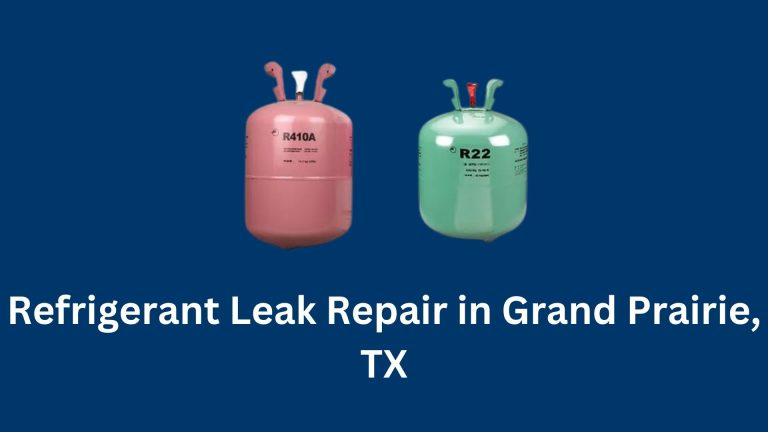
- Repair-cost threshold: If a single repair exceeds roughly 50% of the price of a new system, replace-this rule becomes stricter as the unit ages or uses phased-out refrigerants like R‑22.
- Operating costs and reliability matter: Frequent breakdowns, rising energy bills, or costly refrigerant service make replacement the better long-term choice, and new systems may qualify for rebates and improved efficiency.
The Climate Impact on Grand Prairie HVAC Systems
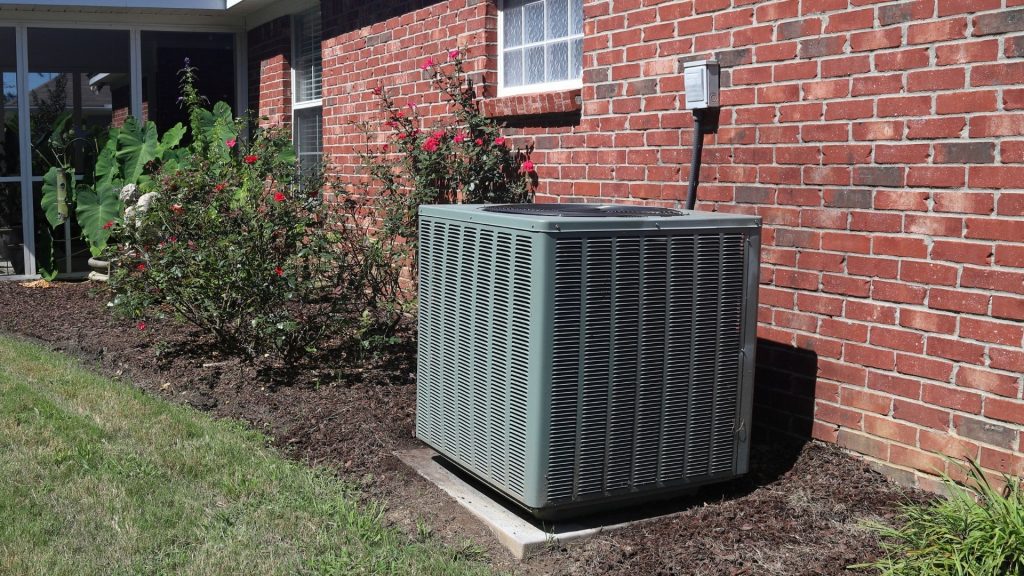
Heat and humidity in Grand Prairie push older ACs harder, raising repair frequency and energy costs; you’ll see higher bills and more breakdowns if you delay maintenance.
Extreme Heat and Operational Stress in North Texas
Summer highs force longer runtimes, increasing compressor wear and the risk of complete system failure if you ignore signs like reduced airflow or odd noises.
How Local Humidity Affects Component Longevity
Humidity promotes coil corrosion, mold growth and sticky controls, so you’ll face reduced efficiency and faster part degradation unless you control moisture and clear drain lines.
Condensation on coils and in drain pans accelerates corrosion and invites mold that degrades airflow and indoor air quality. You should flush condensate lines, replace water-damaged insulation, and consider a whole-home dehumidifier; these steps prevent expensive failures and maintain cooling capacity.
The 5,000 Rule: The Deciding Factor for Repairs
You can use the The $5000 HVAC Rule | Repair or Replace Your HVAC? as a shortcut: if projected repairs top $5,000, replacement usually gives you better efficiency and fewer future failures for older Grand Prairie units.
Calculating Unit Age vs. Estimated Repair Costs
Compare your unit’s age and repair history to written estimates; when forecasted fixes near $5,000 and the system is past 10-12 years, you should favor replacement to avoid repeated breakdowns.
Determining the Threshold for Financial Feasibility
Assess total expected repairs, lost efficiency, and remaining lifespan; once combined costs approach $5,000, replacement typically becomes the smarter financial choice for you.
Consider hidden risks such as compressor failure or obsolete refrigerants that can unexpectedly push costs beyond $5,000. You gain lower bills, warranty protection, and improved reliability with a new system-so factor long‑term savings and heat‑season performance into your decision.
Critical Signs That Repair is No Longer Viable

If your AC shows frequent failures, rising bills, and is older than 10-12 years, repairs often aren’t worth it. Watch for repeated breakdowns, escalating repair costs, and obsolete refrigerant or parts-these signs point toward replacement as the smarter long-term choice.
Frequent Mechanical Failures and Part Obsolescence
Older systems that require constant fixes and suffer part scarcity mean you’ll pay more chasing components than enjoying reliable cooling; hard-to-find parts often tip the balance toward replacement.
Inconsistent Cooling and Poor Indoor Air Quality
When rooms cycle between hot and cold and dust or odors persist, your unit may be failing to condition and filter air; poor indoor air quality can worsen allergies and signal replacement over repeated repairs.
You should watch for persistent humidity, uneven room temps, frequent compressor cycling, or moldy smells-these indicate system inefficiency and health risk. High indoor humidity and mold accelerate structural damage and allergy issues, while constant compressor strain leads to costly failures; investing in a newer, properly sized system often restores comfort and lowers long‑term costs.
The Financial Benefits of Modern AC Technology
Newer systems cut your energy bills and lower repair frequency, so you recoup replacement costs faster; you also avoid expensive breakdowns and enjoy steadier home comfort.
High SEER2 Ratings and Long-Term Savings
Systems with high SEER2 ratings use less power per cooling output, so you pay less monthly and save considerable amounts over a decade.
Local Rebates and Energy Incentives for Homeowners
Many local rebates and utility incentives lower your upfront cost, making replacement more affordable; check for cash rebates and tax credits that cut your net price.
Check your utility’s website and state energy office for current offers; some programs require pre-approval, installation by a licensed contractor, or purchase of qualifying ENERGY STAR or high-SEER2 units. You should submit forms and receipts promptly to secure substantial savings, and stack rebates with federal tax credits when eligible.
Maximizing System Life in the Grand Prairie Area
Extend your system’s lifespan in Grand Prairie by prioritizing seasonal tune-ups and addressing small issues early to avoid compressor failure and costly replacements.
Essential Seasonal Maintenance Protocols
Inspect filters, coils, and condensate drains quarterly, replace filters monthly during heavy use, and schedule biannual tune-ups to keep efficiency high and reduce breakdown risk.
Selecting the Right HVAC Professional for Repairs
Choose a licensed technician with local reviews, transparent estimates, and warranty-backed work so you avoid shoddy repairs that shorten system life.
Verify their license, insurance, and NATE certification, and request local references plus a written estimate detailing labor, parts, and warranty terms. Check for EPA refrigerant certification and ask how they decide between repair or replacement, since older units may carry a higher risk of imminent failure. Decline technicians who demand full payment upfront or refuse warranties, which often signals poor workmanship.
To wrap up
AC repair Gand Prairie is usually worth it when the unit is still relatively young, the system has been reliable, and the repair total is well below 50% of the cost of replacement. But once an AC is 10–12+ years old, needs frequent fixes, struggles in peak summer heat, or uses older refrigerants like R-22, replacement often becomes the smarter long-term move for comfort, efficiency, and fewer surprises.
If you’re on the fence, Boost Air Heating and Cooling can help you make a clear decision without the pressure. We’ll inspect your system, confirm what’s actually failing, and walk you through straightforward options—repair vs. replace, expected lifespan, and what the numbers look like for your specific home in Grand Prairie. Whether you need a quick, targeted repair or a plan for a more efficient upgrade, our goal is simple: get your home cooling reliably again with honest recommendations and quality workmanship you can trust.