Introduction
It’s frustrating and, honestly, a little scary. A malfunctioning air conditioner can make your home feel unbearable fast, especially during a heatwave.
Good news? Many AC cooling problems are fixable if you catch them early.
In this guide, we’ll break down the 7 most common causes of an AC not cooling and give you practical, actionable fixes. Plus, we’ll help you spot when it’s time to call in a professional like Boost Air Heating & Cooling to get the job done right.
1. Dirty Air Filter
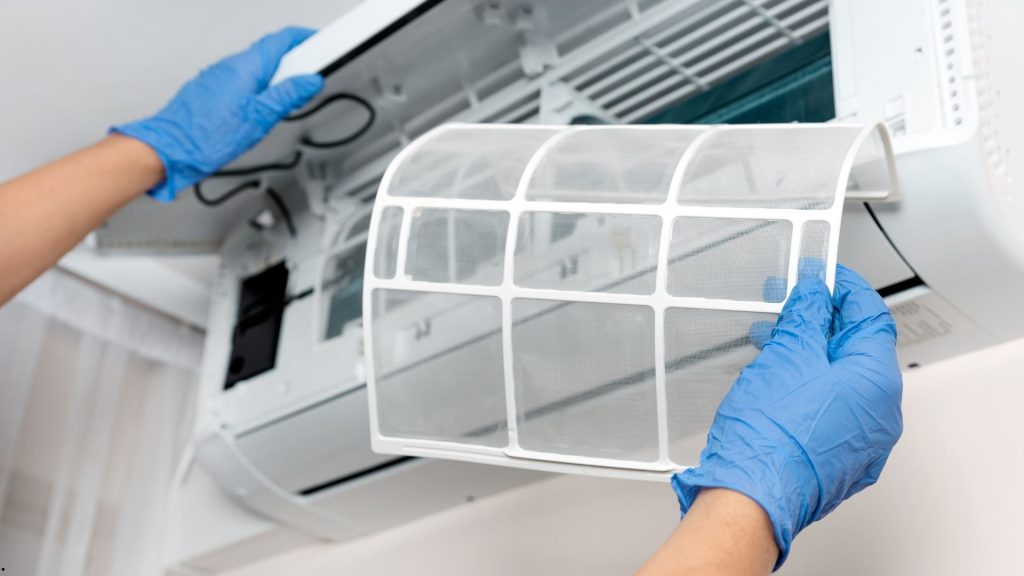
When your AC filter fills up with dust, dirt, pet hair, and other debris, it suffocates your system’s airflow. Without enough air moving through the system, your AC can’t properly cool the air — leaving you sweaty and uncomfortable.
Signs Your Filter May Be the Problem:
- Weak airflow from your vents
- AC running constantly but not cooling
- Increased indoor dust and allergy symptoms
Quick Fix:
Turn off your system, locate the air filter (usually near the return vent or in the indoor unit), and inspect it.
If it looks gray, clogged, or hasn’t been changed in the last 1-3 months, replace it immediately.
Regular filter changes are the cheapest way to avoid major AC breakdowns.
Pro Tip: Use a high-quality, pleated filter to capture more dust and allergens without restricting airflow too much.
2. Thermostat Issues

If your AC isn’t cooling, your thermostat might be the real troublemaker.
It acts like the brain of your HVAC system, telling it when to turn on and off. A small glitch — like dead batteries, wrong settings, or faulty wiring — can stop your AC from cooling properly.
Common Thermostat Problems:
- Set to “Heat” instead of “Cool”
- Dead batteries
- Loose or frayed thermostat wiring
- Older thermostat models becoming inaccurate
Quick Fix:
Double-check your thermostat settings — is it on “Cool”? Is the temperature set lower than the current room temp?
Replace the batteries if you haven’t done so recently.
If your thermostat display is blank, flickering, or won’t hold the right setting, it might be time to upgrade to a modern smart thermostat.
When to Call a Pro:
If resetting or replacing the batteries doesn’t help, you may have wiring issues that need professional repair.
3. Refrigerant Leak
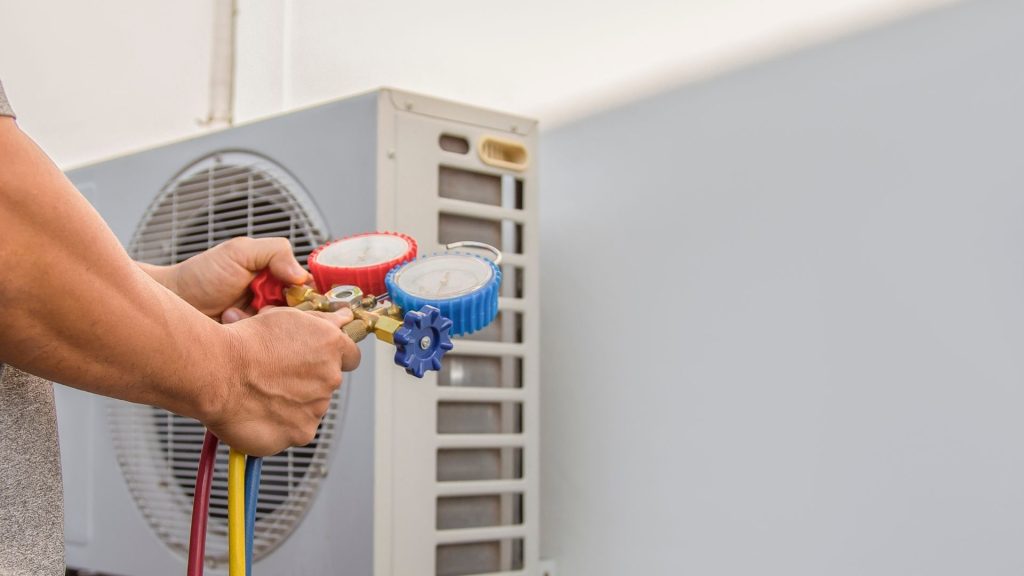
Low refrigerant levels are a major cause of an AC not cooling properly.
Refrigerant is the magical fluid that absorbs heat from your home and releases it outside. Without enough of it, your system can’t complete the cooling cycle — no matter how hard it runs.
Signs You May Have a Leak:
- AC blows warm air instead of cold
- Ice forming on refrigerant lines or evaporator coils
- Hissing or bubbling noises coming from the outdoor unit
- Higher-than-normal electric bills
Quick Fix:
Unfortunately, refrigerant leaks aren’t DIY-friendly. It’s illegal (and dangerous) for anyone unlicensed to handle refrigerant chemicals.
Call a licensed HVAC technician immediately to locate the leak, repair it, and recharge your system with the right amount of refrigerant.
Pro Tip:
Catching leaks early prevents long-term damage to the compressor — the heart of your AC system.
4. Frozen Evaporator Coils
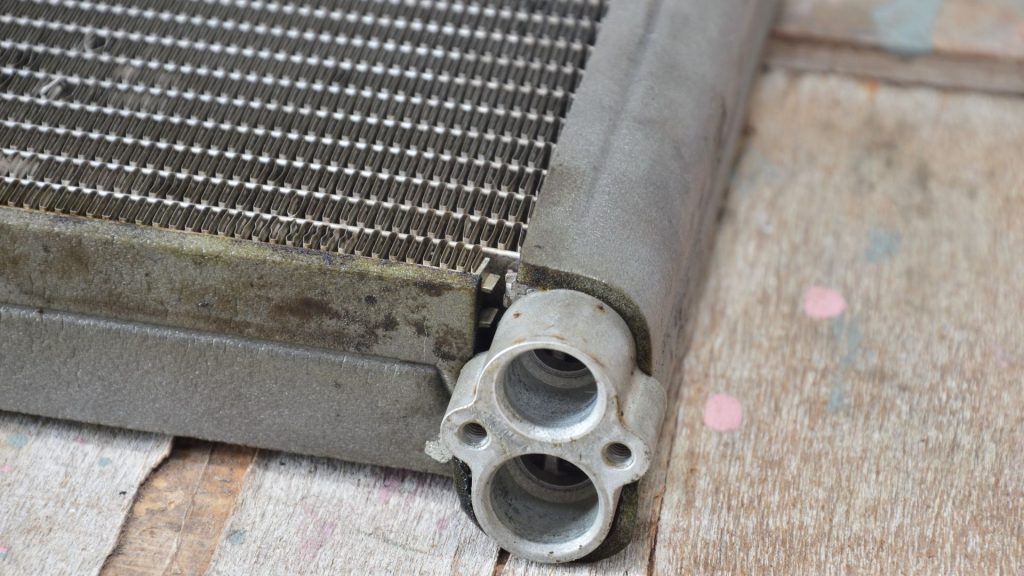
Frozen evaporator coils are like a traffic jam inside your AC unit.
When the coils freeze, they block normal airflow through the system, preventing your AC from delivering cold air into your home.
Why Coils Freeze:
- Dirty air filters restricting airflow
- Refrigerant leaks lowering pressure
- Broken blower fans
- Poor airflow from closed or blocked vents
Quick Fix:
First, turn off your AC system completely and switch the fan to “On” to help thaw the coils.
Replace dirty air filters and make sure all your vents are open and unblocked.
If ice keeps forming after thawing, call an HVAC pro to dig deeper — ignoring it risks major component damage.
Real World Tip:
If you spot water pooling under your indoor unit, that’s a red flag your coils have been frozen and are thawing too fast — act quickly!
5. Electrical or Capacitor Failure
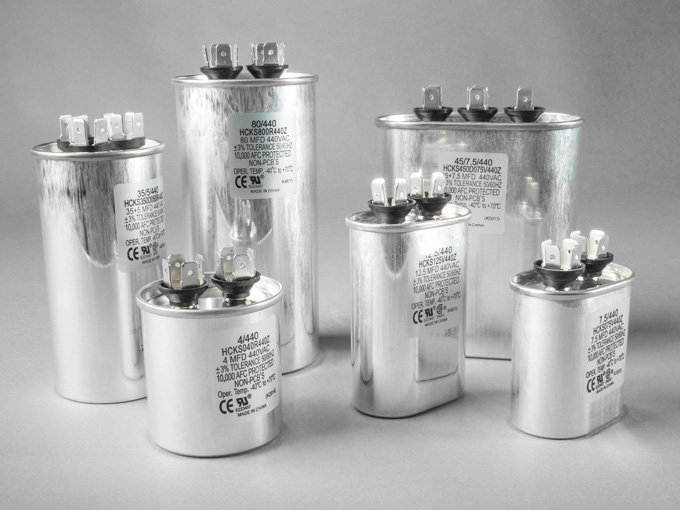
Electrical issues are sneaky but deadly for your AC system.
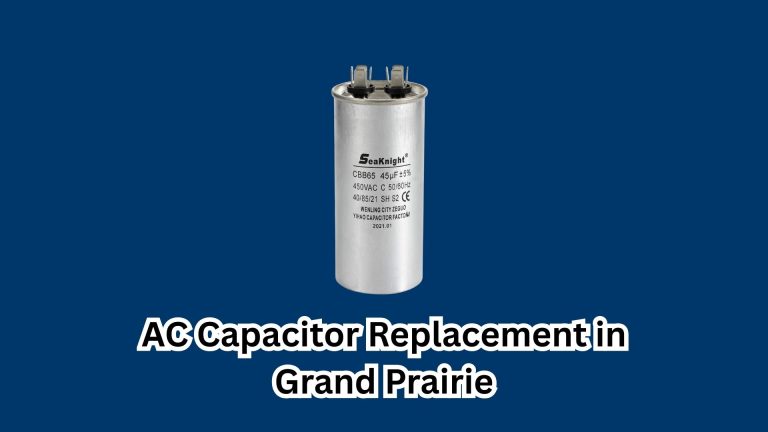
Capacitors store energy to kickstart motors, fans, and compressors. If a capacitor or another electrical component fails, your AC may blow warm air, short-cycle, or not turn on at all.
Symptoms of Electrical Problems:
- Clicking or buzzing noises from the outdoor unit
- AC tries to start but shuts off quickly
- AC won’t start at all
Quick Fix:
Electrical problems are not safe DIY projects. Capacitors can hold dangerous charges even when the power is off.
If you suspect an electrical issue, turn off your system and call a trained HVAC professional immediately.
Pro Tip:
Getting regular AC maintenance checks can catch failing capacitors before they shut your system down on the hottest day of the year.
6. Dirty or Blocked Condenser Unit
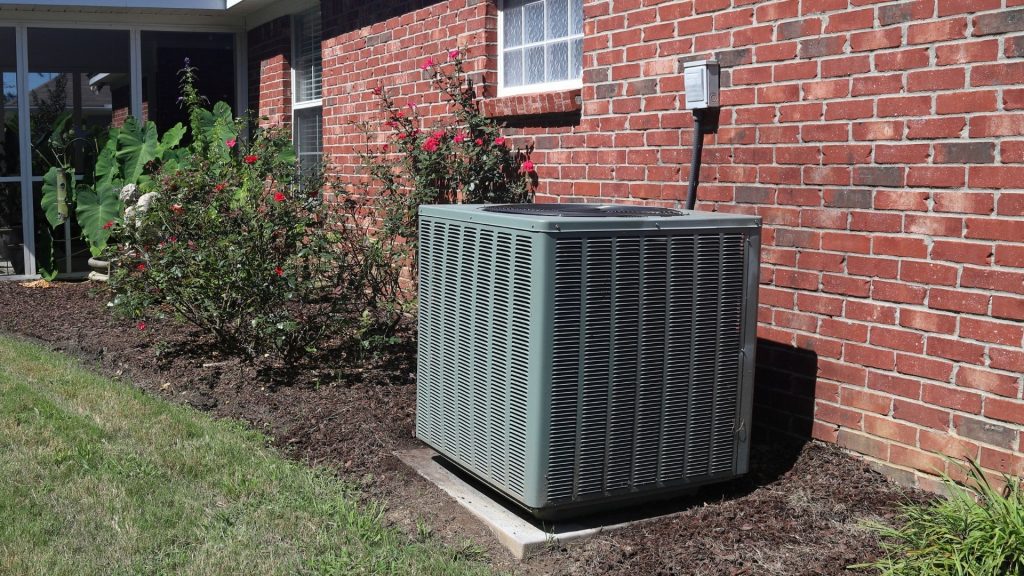
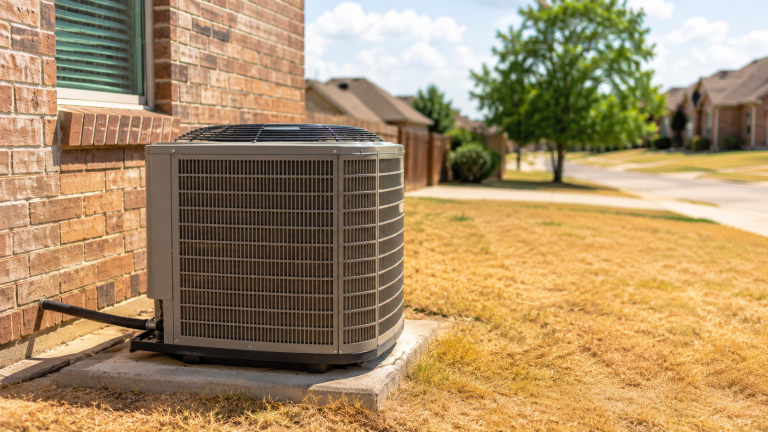
Your outdoor condenser needs room to breathe!
If it’s blocked by dirt, leaves, or debris, it can’t release heat properly, causing your air conditioner to stop cooling.
Common Signs:
- AC runs but doesn’t cool the home
- Outdoor unit sounds louder than usual
- Visible debris or damage around the unit
Quick Fix:
- Shut off the power at the disconnect box near your outdoor unit.
- Carefully remove large debris by hand.
- Use a garden hose (not a pressure washer) to rinse off dirt and dust from the condenser fins.
- Keep a clear space of at least 2–3 feet around the unit.
Pro Tip:
Schedule professional condenser cleaning once a year as part of your maintenance plan to maximize efficiency.
7. Old or Undersized AC System

Sometimes the real problem isn’t a “fix” — it’s your entire AC system.
If your system is older than 10–15 years, it may be losing its ability to cool efficiently. Worse, if your unit was undersized for your home in the first place, it’s never going to keep up in extreme heat.
Signs It’s Time to Replace:
- Frequent breakdowns
- Energy bills keep rising
- Home never gets cool enough no matter how long the AC runs
- AC system uses outdated R-22 refrigerant (now banned)
Quick Fix:
Schedule an HVAC consultation to assess your current system.
Modern, energy-efficient AC units cool faster, run quieter, and save you money on energy bills.
At Boost Air, we offer free consultations to help you find the perfect system for your home size and budget.
Bonus Tip: AC Not Turning On At All?
Before you panic, check these basics:
- Circuit breaker: Make sure it hasn’t tripped.
- Thermostat batteries: Dead batteries can kill your system’s communication.
- Power switch: Look for an “On/Off” switch near your indoor unit.
If everything looks fine but your AC still won’t start, it’s time for emergency HVAC service.