Introduction
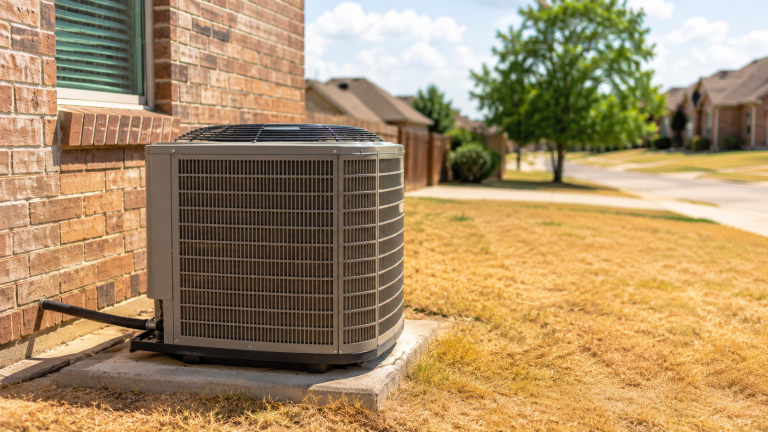
Installing a new air conditioning system isn’t just about surviving another blistering Texas summer — it’s about creating year-round comfort in your home. With the right HVAC setup, you can beat the soaring heat waves and improve your home’s energy efficiency at the same time.
But before you dive into the world of central air, mini-splits, or high-efficiency units, it’s smart to ask the real question: How much will it actually cost to install a new AC in Texas?
In this guide, we’ll break down the average costs, explain what impacts the final price, and share expert tips on making the smartest investment for your home and family.

Section 1: Average Cost to Install a New AC in Texas
When it comes to installing a new air conditioner in Texas, there’s no true one-size-fits-all price. However, most homeowners can expect to spend between $5,000 and $12,000 depending on the system type, home size, and installation complexity.
This range includes both the unit itself and the labor costs associated with installation.
The national average for AC installation hovers around $7,500, but Texas tends to trend slightly lower in certain cities where demand is high and competition among contractors keeps prices competitive.
Of course, larger homes requiring more powerful systems — or specialized setups like dual-zone cooling — will push costs to the higher end of the spectrum.
In a typical installation package, you’re not just paying for a box that blows cold air.
You’re investing in the system design, the new AC unit, connection to your ductwork, refrigerant charging, electrical setup, testing, and ensuring everything meets local building codes.
Section 2: Factors That Affect AC Installation Cost
Not all AC installations are created equal — and that’s exactly why costs can swing so widely from one project to another.
Here’s what can make the price of your new air conditioning system climb (or stay manageable) in Texas:
Home Size and Cooling Load
The bigger the space, the bigger (and pricier) the AC system needs to be. Cooling a 1,200-square-foot home is very different from keeping a 3,500-square-foot property comfortable in July.
Load calculations — based on square footage, insulation quality, sun exposure, and ceiling height — determine the right system size.
Type of System Installed
Choosing between a central air conditioner, ductless mini-split, or heat pump can heavily influence installation costs.
Ductless systems, for example, may be more affordable for smaller homes without existing ductwork, while traditional central air setups can cost more when new ducts are needed.
Energy Efficiency Ratings
Systems with higher SEER ratings (Seasonal Energy Efficiency Ratio) are better for your utility bills — but they come at a higher upfront price.
An ultra-efficient 20 SEER system will cost more than a basic 14 SEER system, but you’ll typically recoup the difference in long-term energy savings.
Complexity of Installation
Simple swaps (replacing an old unit with a similar new one) are cheaper than complete overhauls.
If your project requires new ductwork, electrical upgrades, or tricky indoor unit placement, installation costs will increase.
Permits and Local Code Requirements
Depending on where you live in Texas, your city might require special permits for AC installations.
Permit fees and required inspections add extra costs — but ensure your system is installed safely and legally.
Contractor Experience and Quality
Finally, the company you hire makes a difference.
Highly-rated, licensed HVAC contractors often charge a little more — but they also deliver correct sizing, proper installation, and post-installation support, protecting you from expensive mistakes.
Section 3: Breakdown of Common Additional Costs
Beyond the price of the new AC unit and basic installation, there are often additional expenses homeowners don’t initially expect.
Understanding these extra costs can help you avoid budget surprises and plan smarter for your full project.
Ductwork Repair or Replacement
If your existing duct system is leaky, damaged, or poorly sized, replacing or repairing it can add $2,000 to $5,000 to your project.
Efficient ducts are critical — no matter how good your new AC is, bad ductwork will waste energy and reduce comfort.
Electrical Upgrades
Newer, more powerful AC systems sometimes require upgraded wiring or a new electrical panel to handle the additional load.
Expect electrical work to add $500 to $2,000 depending on your home’s existing setup.
Thermostat Upgrades
If you’re installing a high-efficiency system, you might also need a compatible thermostat.
Upgrading to a smart thermostat can cost an extra $150 to $400, but it’s a smart investment for long-term energy management.
Removal and Disposal of Old Unit
Taking out and properly disposing of your old system isn’t always free.
Some contractors include it in their installation package, while others charge an additional $100 to $500.
Extended Warranties or Service Agreements
Extended warranties for labor and parts, or annual maintenance agreements, can add $200 to $1,000 but offer peace of mind against unexpected breakdowns.
Section 4: AC Installation Cost by Type of System
Central Air Conditioning Systems
Central AC remains the most popular choice for larger homes in Texas.
Installing a new central air system typically ranges from $5,000 to $10,000, depending on the size and SEER rating.
If your home already has well-maintained ductwork, installation tends to be more straightforward — and cheaper.
Ductless Mini-Split Systems
Ductless systems are an ideal option for homes without existing ducts or for adding cooling to specific zones, like garages or sunrooms.
Expect to pay $3,000 to $7,000 for a high-quality mini-split system, depending on the number of indoor units needed.
Heat Pumps
Heat pumps can both cool and heat your home, making them a year-round solution.
In Texas, where winters are mild, a heat pump is a smart energy-efficient choice.
Installation costs usually fall between $6,000 and $12,000, but rebates and incentives can help offset the price.
Section 5: Tips to Save Money on Your New AC Installation
Choose the Right Size, Not the Biggest
Bigger isn’t always better.
An oversized AC unit will short cycle — turning on and off too frequently — which wastes energy and shortens system life.
Professional HVAC contractors should perform a Manual J load calculation to recommend the right size for your home.
Take Advantage of Rebates and Incentives
Energy-efficient systems often qualify for rebates from utility companies or state programs.
Some high-efficiency AC units can net you up to $500 or more back, easing the initial sticker shock.
Bundle Ductwork Repairs
If your ducts need work, bundling the job with a new installation often costs less than tackling them separately.
Properly sealed and insulated ducts maximize your new system’s performance.
Compare Multiple Quotes
It’s smart to gather at least three detailed estimates from reputable HVAC companies.
Look beyond the bottom line: review included services, warranties, and brand options.
Install During Off-Peak Seasons
Scheduling installation during spring or fall — when demand for AC repairs and installs is lower — can sometimes secure better pricing or promotional deals.
Section 6: Why Professional Installation Matters
A professional AC installation isn’t just about plugging in a unit — it’s about setting your home up for long-term comfort and energy savings.
Choosing the right system size is crucial. HVAC experts calculate your home’s cooling load to match you with the perfect unit. Oversized or undersized systems waste energy, wear out faster, and leave you uncomfortable.
Installation quality also matters. From refrigerant charging to duct connections, small mistakes lead to big issues like leaks, frozen coils, and poor airflow.
Licensed HVAC contractors take care of permits and inspections too, making sure your installation meets Texas building codes. Plus, professional installation protects your manufacturer’s warranty — something DIY jobs often void.
In short: the right install means lower energy bills, fewer repairs, and cooler summers for years to come.
Conclusion
Investing in a new AC system is a big decision — but it’s one that pays off every single day you stay cool and comfortable in your Texas home.
Understanding the real costs behind installation, knowing the factors that drive pricing, and choosing a professional team to handle the work are key steps to making a smart, lasting investment.
Whether you’re replacing an old unit or installing AC for the first time, planning ahead saves you money, stress, and energy in the long run.
At Boost Air Heating & Cooling, we make the process simple and stress-free.
From helping you choose the right system to offering transparent quotes and expert installation, we’re here to help you stay cool — without breaking the bank.
👉 Ready for a cooler, more comfortable home?
Contact Boost Air today for a free, no-pressure estimate on AC installation in Grand Prairie, Dallas, and surrounding areas.
Let’s get your perfect cooling system installed — the right way!