Introduction
If you live in Texas and feel like your allergies never take a day off—you’re not imagining things. Between cedar fever, oak pollen, ragweed, and all that lovely Prairie dust, your home’s air can feel like an allergy trap.
That’s where air purifiers come in. But with so many options out there, how do you know which one actually helps?
Don’t worry—we’ve got you. Let’s break down what to look for, what to skip, and which purifiers are truly worth your money (and your lungs).
Why Texas Homes Need Air Purifiers—Yes, Even Yours
Your HVAC system might be great at controlling temperature, but it’s not built to filter out the microscopic stuff that makes your nose run and your eyes itch. And in a place like Prairie, TX, where pollen seasons seem to overlap year-round? Your indoor air needs a little backup.
That’s where a quality air purifier earns its keep.
Top 5 Air Purifiers for Texas Allergies (Tested & Recommended)
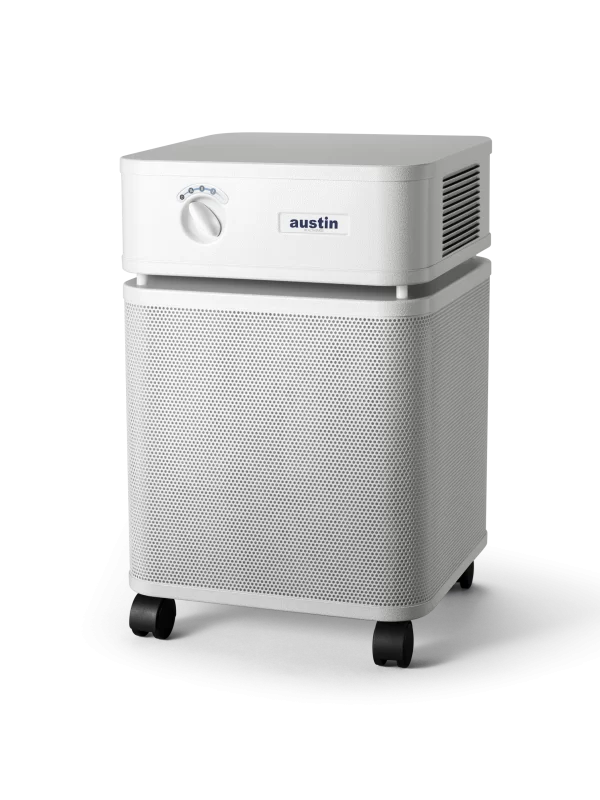
1. Austin Air HealthMate
- Best for: Serious allergy sufferers, whole-home coverage
- Why it works: Medical-grade HEPA + activated carbon filter
- Pro tip: Built to handle even wildfire smoke and VOCs. Quiet but powerful.
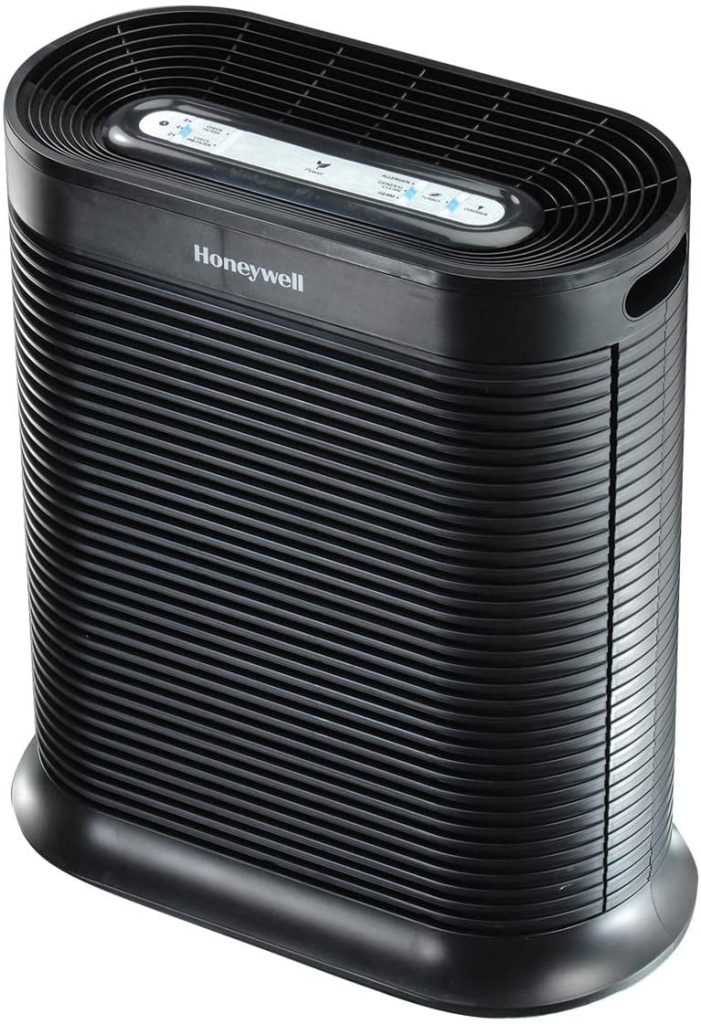
2. Honeywell HPA300
- Best for: Medium to large rooms
- Why it works: 3 HEPA filters and turbo mode for high pollen days
- Bonus: Available at most big-box stores in TX
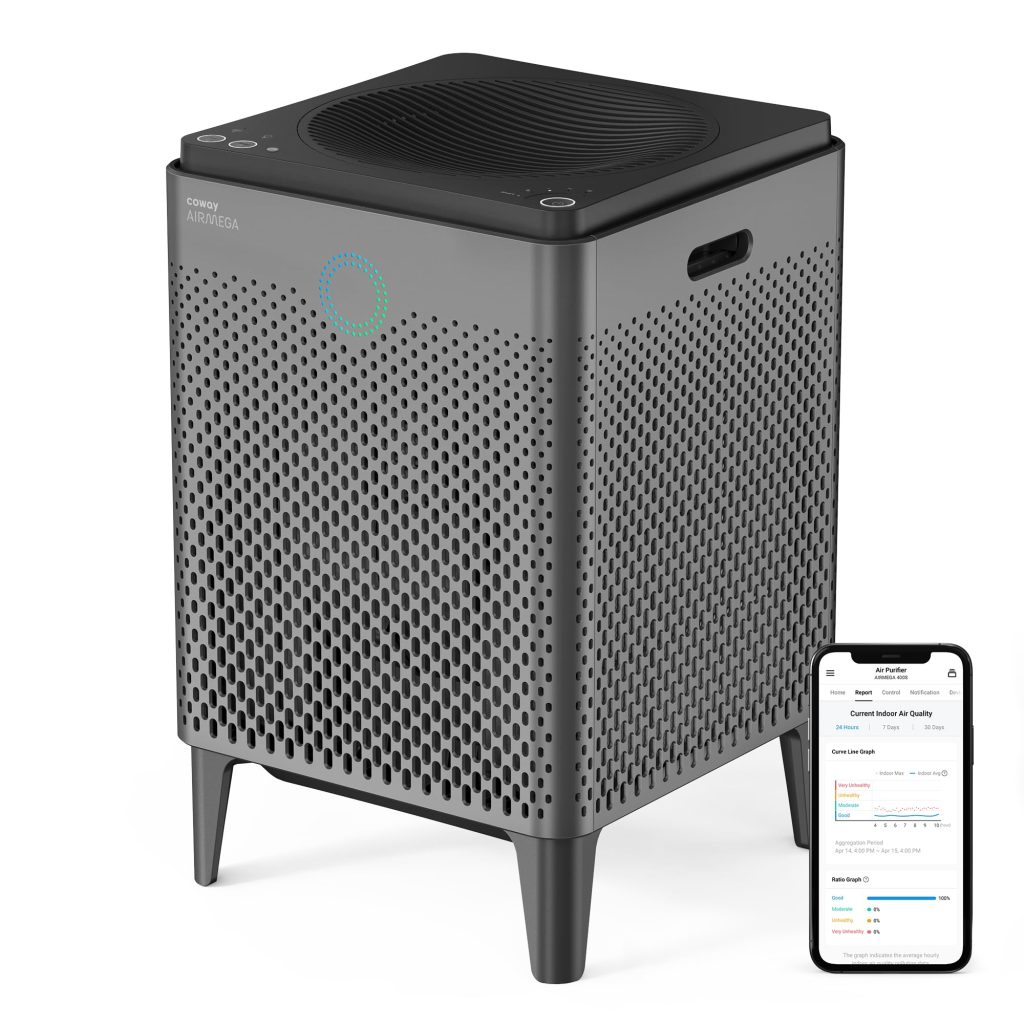
3. Coway Airmega 400
- Best for: Tech lovers, modern homes
- Why it works: Smart sensors adjust fan speed automatically
- Cool factor: Sleek design + real-time air quality indicator
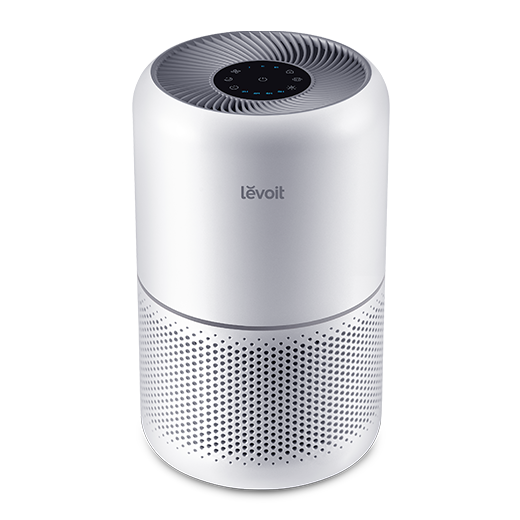
4. Levoit Core 300
- Best for: Small rooms, apartments
- Why it works: Affordable, compact, great for bedrooms
- Perfect if: You’re just starting your allergy-fighting setup
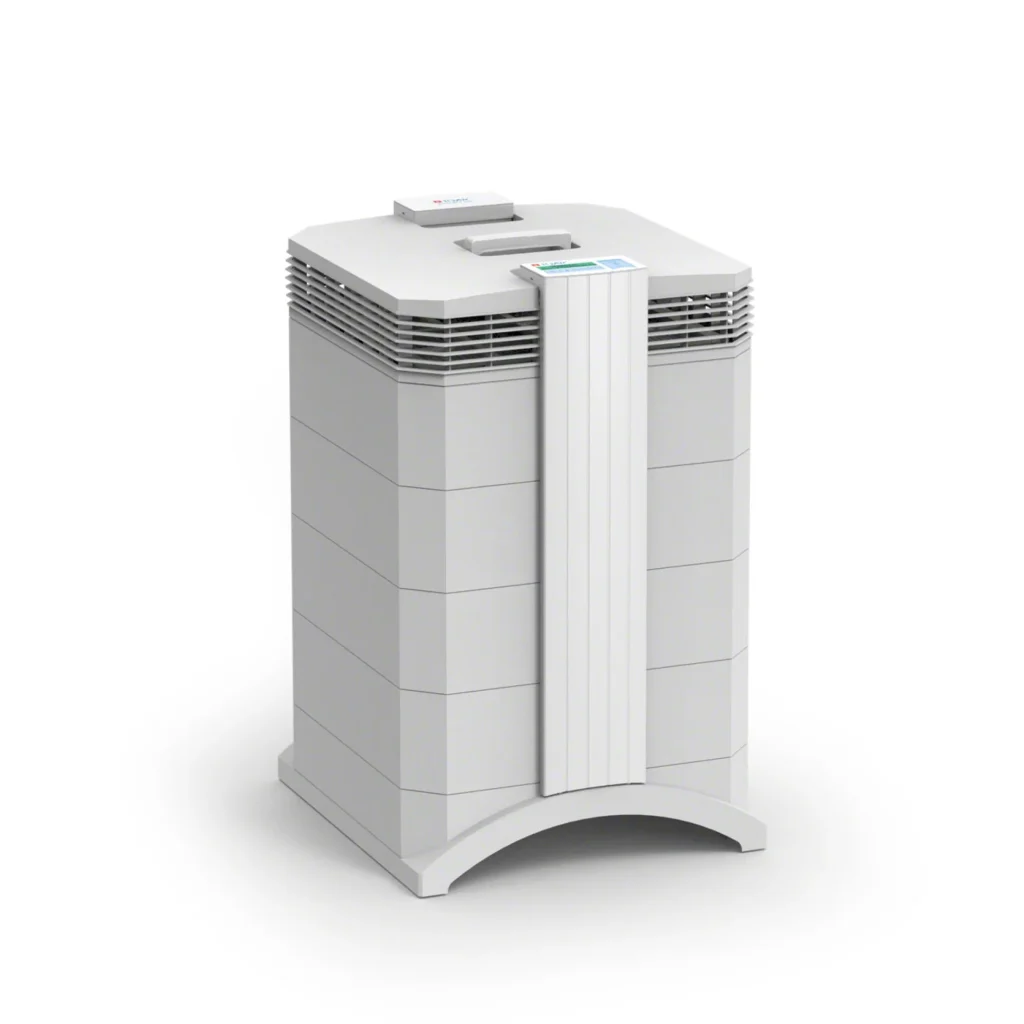
5. IQAir HealthPro Plus
- Best for: Ultra-sensitive households
- Why it works: Filters particles down to 0.003 microns
- Heads up: Pricier, but unmatched for medical-grade air quality
What Makes a Good Air Purifier for Texas Allergies?
✅ True HEPA Filter (Not “HEPA-Type”)
A real HEPA filter removes 99.97% of airborne particles down to 0.3 microns—including pollen, dust, mold spores, and pet dander.
✅ Activated Carbon Layer
This tackles odors, smoke, and VOCs from things like cleaning products or Texas wildfire season.
✅ CADR Rating
The Clean Air Delivery Rate tells you how quickly a purifier filters air. Higher is better—especially in open-concept homes.
✅ Room Size Coverage
Don’t undersize. Always pick a purifier rated higher than your room square footage, especially if you have vaulted ceilings.
Whole-Home vs. Portable Air Purifiers
Here’s the deal:
- Portable air purifiers are great for bedrooms, nurseries, or home offices.
- But for full-home coverage? You might want to consider a whole-home air purifier installed directly into your HVAC system.
👉 Want the cleanest air possible? Consider pairing your air purifier with duct cleaning or new ductwork. If you’re unsure which route to take, start here: Duct Replacement 101: When Cleaning Isn’t Enough Anymore.
How to Know If Your Air Purifier Is Actually Working
- Fewer sneezes and itchy eyes indoors
- Less visible dust on surfaces
- Reduced allergy medication use
- Air feels fresher—not stale or musty
If you’re not noticing a difference after 1–2 weeks of continuous use? It might be the wrong model—or your air quality issues could go deeper than just airborne particles.
👉 Mold or humidity could also be part of the problem. Learn how to take control with a Whole-Home Humidifier.
Final Word: Don’t Just Buy a Box with a Fan
The right air purifier can seriously change your daily comfort—but only if you choose smart. Stick with HEPA-certified models, size them correctly, and consider layering your approach with HVAC-based solutions for whole-home relief.
Allergies in Texas aren’t going away anytime soon. But you can take back control of the air you breathe.
Need help picking or installing the right purifier for your home? Give Boost Air Heating and Cooling a shout. We’ll help you breathe easier—literally.